The distribution of the Egyptian fauna shiny app
A shiny app showing the spatial conservation planning for Egyptian fauna using Zonation. The method implemented is discussed into details in this manuscript: El-Gabbas, A; Gilbert F.; Dormann C. (2020) Spatial conservation prioritisation in data-poor countries: a quantitative sensitivity analysis using multiple taxa. BMC Ecology. Read more Under the Zonation prioritization outputs tab, you can select combination of different options used in the study and interactively show the prioritization ranking resulted from using respective options.
Dec 19, 2025
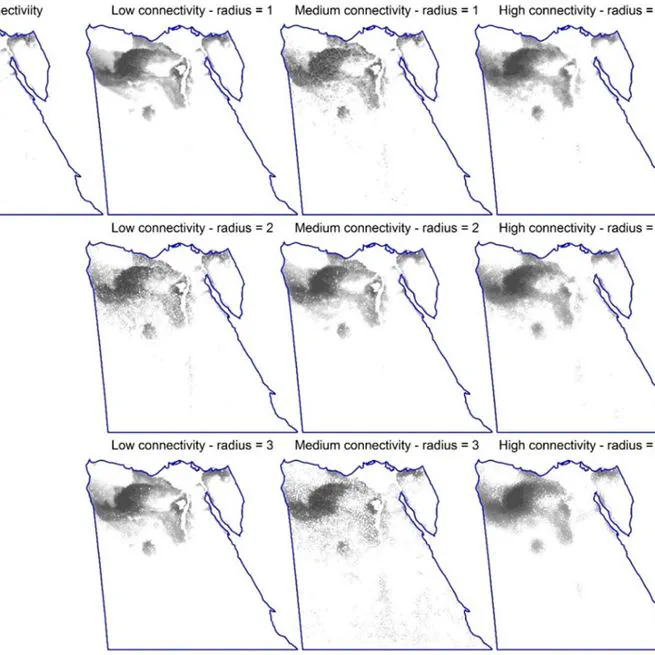
Spatial conservation prioritisation in data-poor countries: a quantitative sensitivity analysis using multiple taxa
See also: Appendix 2 of the paper A shiny app for priotization results of the 2,560 zonation runs and interactive spatial distribution of Egyptian fauna.
Jun 21, 2020

Reliability of species distribution modelling for wildlife conservation in developing countries
Main advisor: Prof. Carsten F. Dormann, Department of Biometry and Environmental System Analysis, University of Freiburg, Germany. Second advisor: Prof. Francis Gilbert, School of Life Sciences, Nottingham University, Nottingham, UK.
Jan 1, 2018
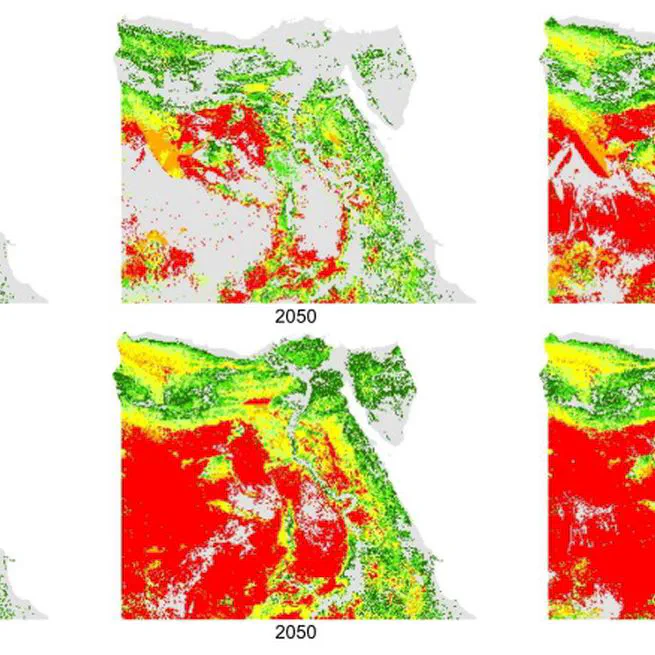
Conserving Egypt's reptiles under climate change
Apr 1, 2016

Distribution of the Egyptian reptiles under current and future climates
Advisor: Prof. Francis Gilbert, School of Life Sciences, Nottingham University, Nottingham, UK.
Jan 1, 2012